Roof Moss Removal: Stop Winter Damage Before It Starts
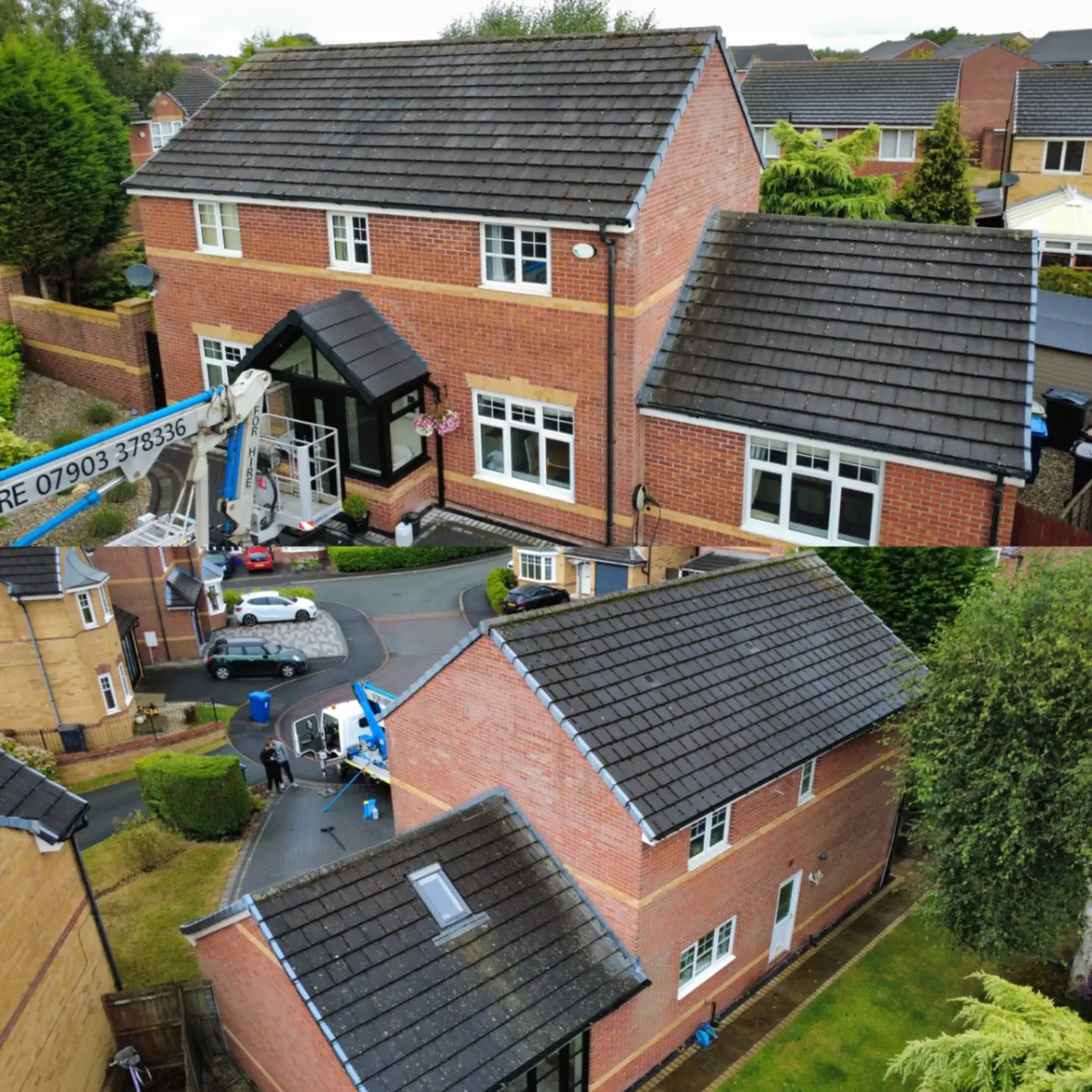
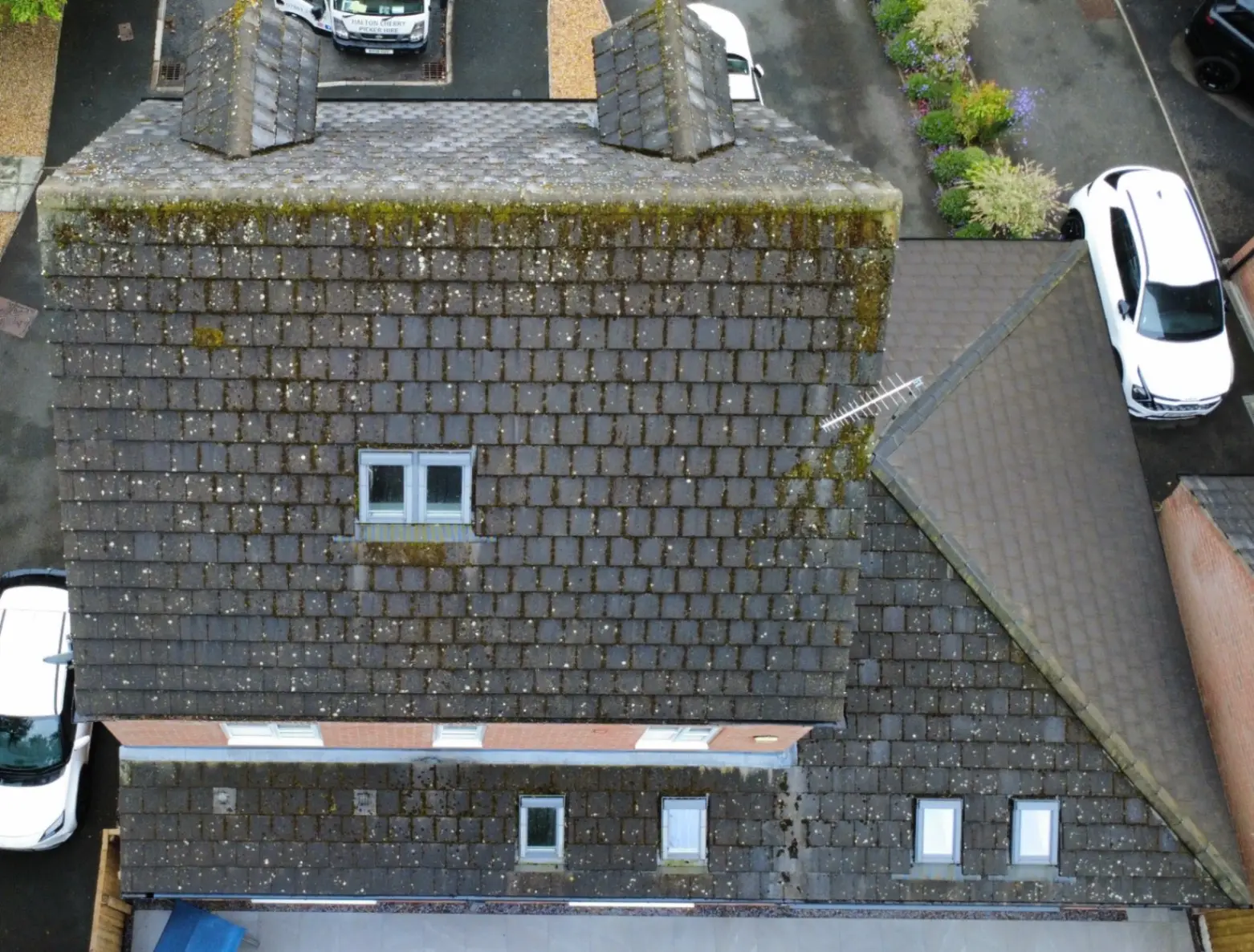 Before → after
On this page
Moss might look harmless sitting quietly on your tiles, but the real damage happens underneath it, out of sight, and by the time it shows up as a stain on a bedroom ceiling it’s cost far more than the £350–£900 a roof clean would have. This post is about the why, not just the how: what moss actually does to a roof, why winter is when it does the most harm, and why clearing it now, before the wet weather sets in, is cheaper than fixing what it leaves behind.
Why Moss Grows on Roofs
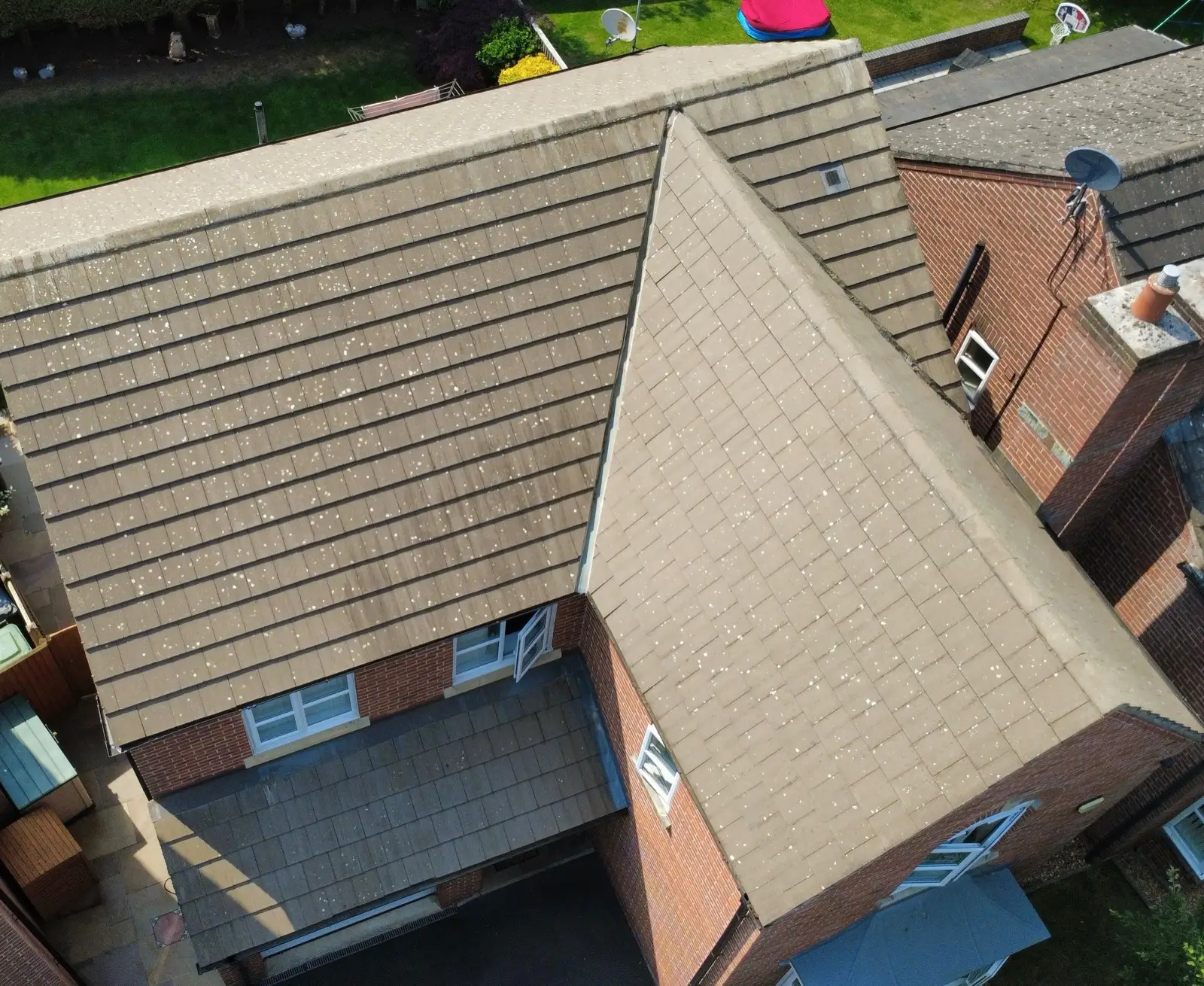
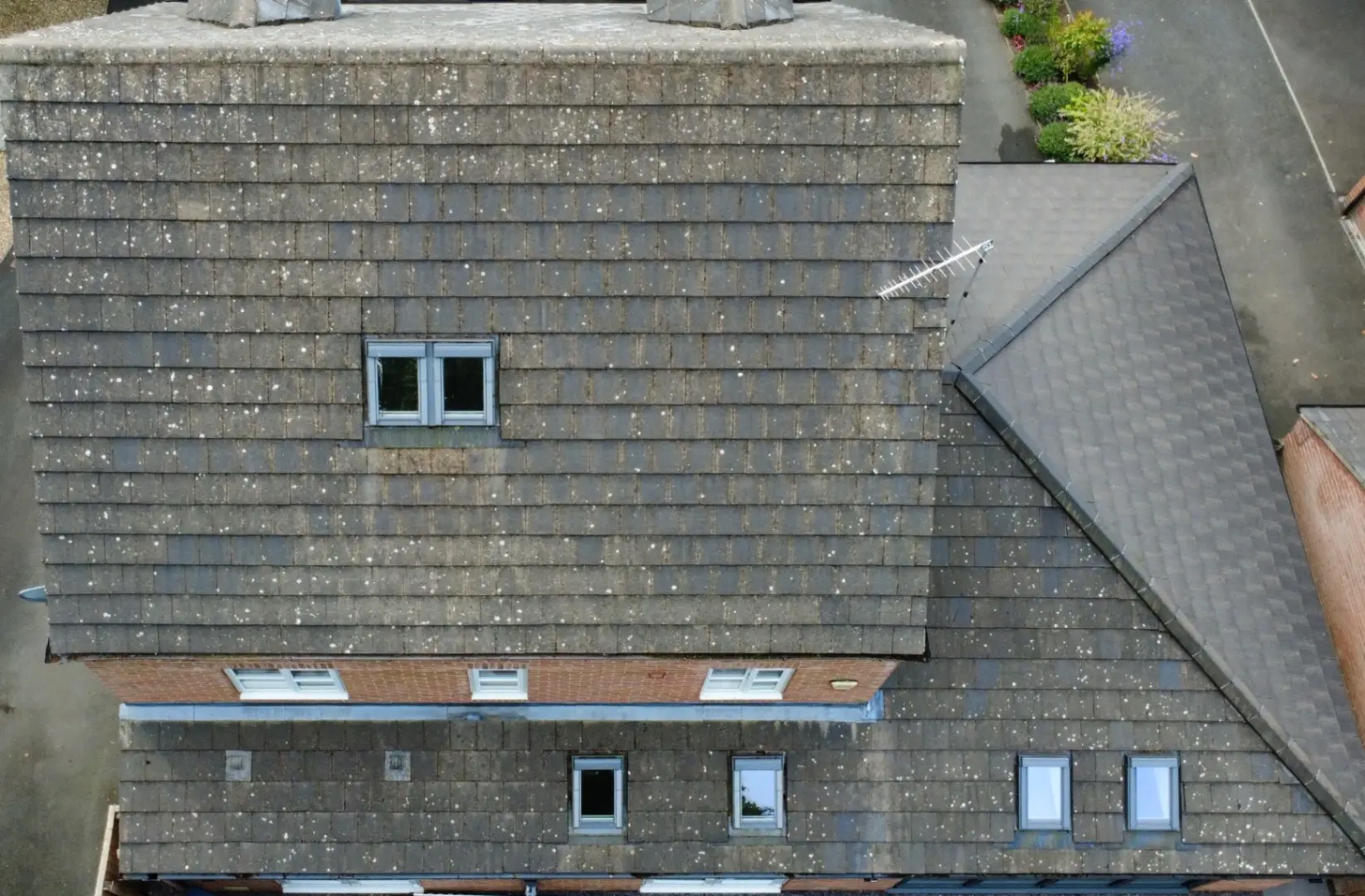
Moss needs two things: shade and damp. Roofs facing north, roofs under overhanging trees, and roofs on houses tucked between other buildings all stay wetter for longer after rain, which is exactly what moss likes. It’s also fond of the rougher surface of concrete tiles, which are common on a lot of the post-war and newer estates across Halton and Cheshire, because there’s more for the spores to grip onto than on a smooth slate.
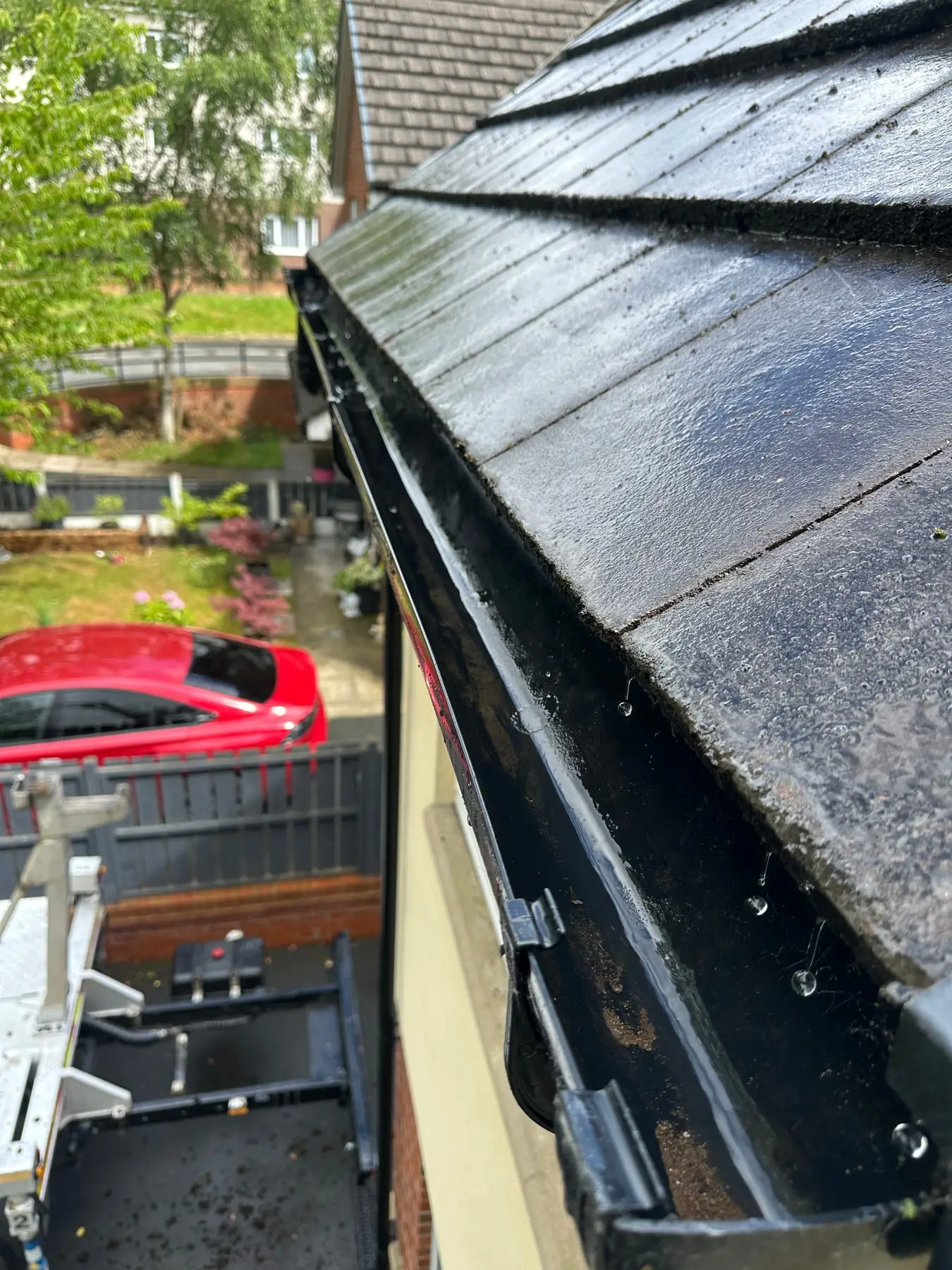
None of this means the roof has been neglected. A well-maintained roof on the wrong aspect, or under the wrong tree, can moss up just as fast as one nobody’s looked at in years. Gutters clogged with leaves make it worse still, because they hold water against the lower courses of tiles for days after everyone else’s roof has dried out.
What Moss Actually Does to Your Roof
The moss itself is not the problem. It’s what the moss holds onto that causes the damage. A cushion of moss soaks up rainwater like a sponge and keeps the tile underneath permanently damp, sometimes for weeks after it’s stopped raining everywhere else. That constant moisture does three things: it breaks down the surface of the tile itself, it works its way under tile edges and into the felt or membrane below, and it gives lichen and algae somewhere to establish, which holds even more water.
Over time that’s how a roof that looked fine from the ground develops slipped tiles, cracked ridge tiles, and eventually a leak that shows up as a damp patch on a ceiling long after the moss started the problem. Once water’s tracking down into the loft, you’re looking at timber, insulation and plasterboard, not just tiles.
Winter Rain and Moss: Why Timing Matters
Moss makes winter worse in a specific way: freeze-thaw. Water held in the moss and in any cracks it’s caused freezes on cold nights, expands, then thaws the next day. Repeat that over a Cheshire winter and small cracks in tiles or flaunching get bigger with every cycle, which is why problems that were minor in October can be serious by March.
That’s the argument for dealing with moss in autumn rather than waiting. Clear it before the cold weather sets in and there’s nothing left to hold water against the tiles through the freezing nights. Leave it, and you’re giving the moss a whole winter to do the damage before anyone’s up there to see it.
How We Remove Moss Safely
We take moss off by hand from a vehicle-mounted platform, working across the roof face by face rather than blasting it with a pressure washer. That matters because pressure washing can strip the surface off tiles and drive water in under them, which is the exact damage you’re trying to avoid. Hand-removal is slower but it’s gentle on the tile, and doing it from the platform means nobody’s walking on the roof either, so there’s no risk of a slipped or cracked tile from someone’s boot.
We carry £5m public liability insurance, the operator is trained, and the machine has its safety inspection kept current, so it’s a job we can do properly rather than rushed off a ladder. Once the moss is off, we flush the gutters and downpipes so nothing loosened during the clean ends up blocking them later. You can see what that looks like in practice in our roof cleaning gallery.
The Cost of Ignoring Moss vs the Cost of Cleaning
A roof clean sits in the £350–£900 range depending on the size of the roof and how bad the moss is, with a biocide treatment usually added for £50–£150 if you want to slow the regrowth. That’s the whole cost, done in a day, with nothing left behind.
Compare that to what happens if the moss is left to do its work over a winter or two: slipped or cracked tiles need replacing, rotten timber under a leak needs cutting out and rebuilding, and a stained ceiling needs re-plastering and repainting. None of that is cheap, and none of it happens quickly, either, once you factor in tracing the leak in the first place. Where we do carry out roof or chimney repair work, it comes with a two-year guarantee, but the honest advice is that preventing the repair in the first place is always the cheaper option. Our roof cleaning cost guide goes into more detail on how the price is worked out if you want the full breakdown.
Moss Removal in Cheshire and Merseyside
We’re based in Runcorn and clean roofs right across Halton, Widnes, Frodsham, Helsby, Northwich, Warrington, St Helens, Liverpool and Chester, so if the roof is mossy and it’s on this side of the North West, we’ve probably worked on something similar not far from you. It’s the same platform, the same hand-removal, and one clear price whichever town you’re in.
“Halton Cherry Picker Hire came to clean the roof of my house as we had moss building up and it looked really bad. Jordan was really thorough and professional. I could tell he was making sure he did a good job. I am beyond pleased with the results and will definitely be using them for any roof jobs in the future.”
If your roof’s looking mossy and you’d rather deal with it now than wait for a leak to tell you, have a look at our roof cleaning and moss removal service or get in touch with your address and we’ll get you a straight price.